01Cancer therapeutics
Targeting tumors and the ecosystems that sustain them
We investigate combination therapies for childhood sarcomas and lung cancer, with parallel strategies aimed at tumor cells, angiogenesis, and cancer-associated fibroblasts.
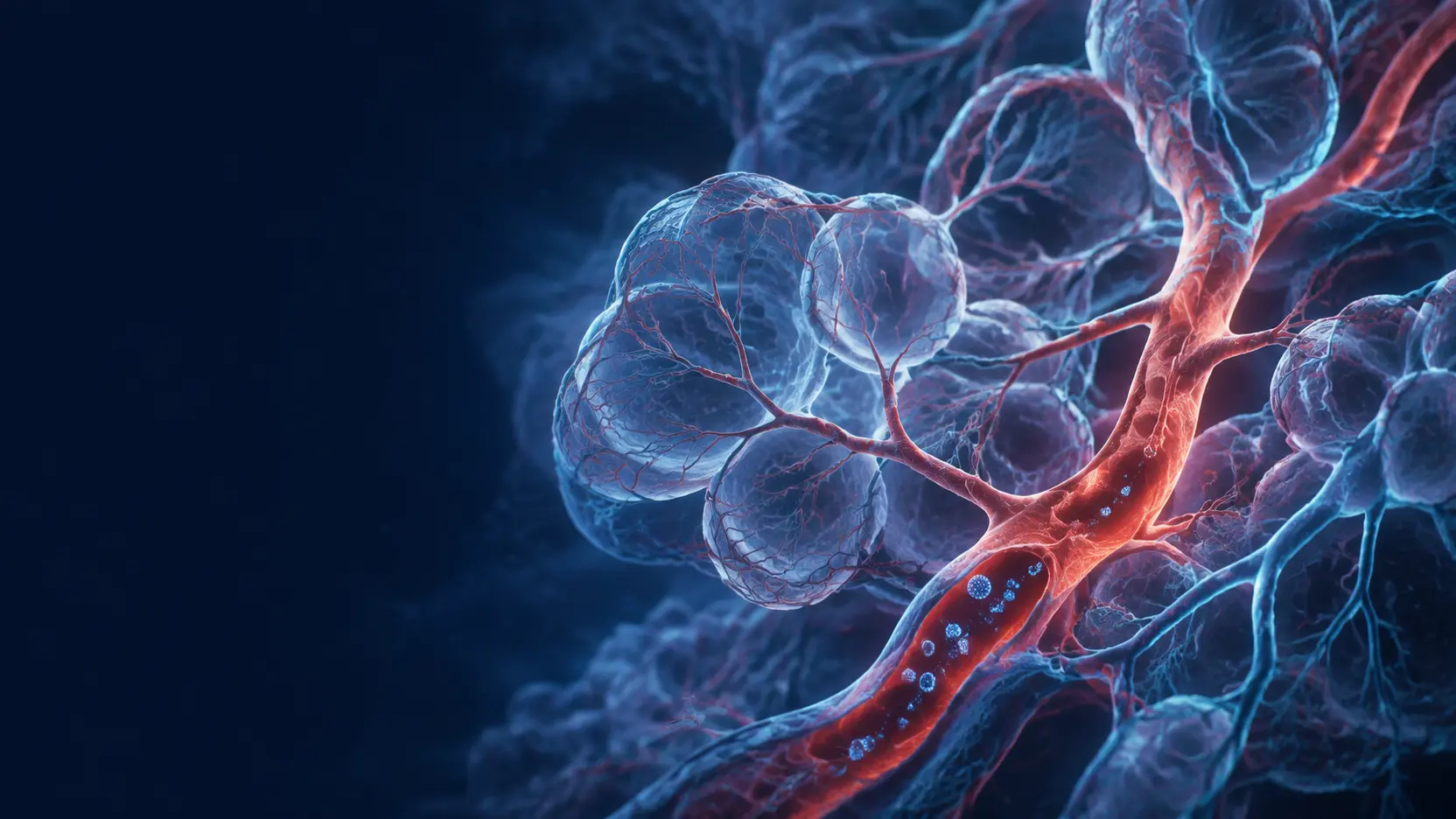
Cancer biology · Lung regeneration · Therapeutic discovery
Led by Dr. Tatiana V. Kalin in Phoenix, Arizona, we uncover the signaling networks that drive cancer and unresolved lung injury—then turn those insights into more precise, restorative therapies.
Research programs
Cancer and chronic lung injury share a crucial interface: the vascular microenvironment. We study that interface across molecules, cells, tissues, and living systems.
We investigate combination therapies for childhood sarcomas and lung cancer, with parallel strategies aimed at tumor cells, angiogenesis, and cancer-associated fibroblasts.
Our work examines endothelial signaling—including the FOXF1/FZD4 axis—to understand how healthier blood vessels can limit hypoxia, progression, and metastasis.
We develop nanoparticle and endothelial progenitor cell approaches to improve vascular repair after radiation, chemotherapy, viral infection, and fibrotic lung injury.
How we work
We pair clinically relevant questions with human samples, ex vivo systems, and animal models—then design delivery strategies that can move a discovery toward impact.
Discuss a collaborationMap abnormal signaling networks.
Test biology across translational systems.
Engineer targeted therapeutic strategies.
Move the strongest ideas toward patients.
Our people
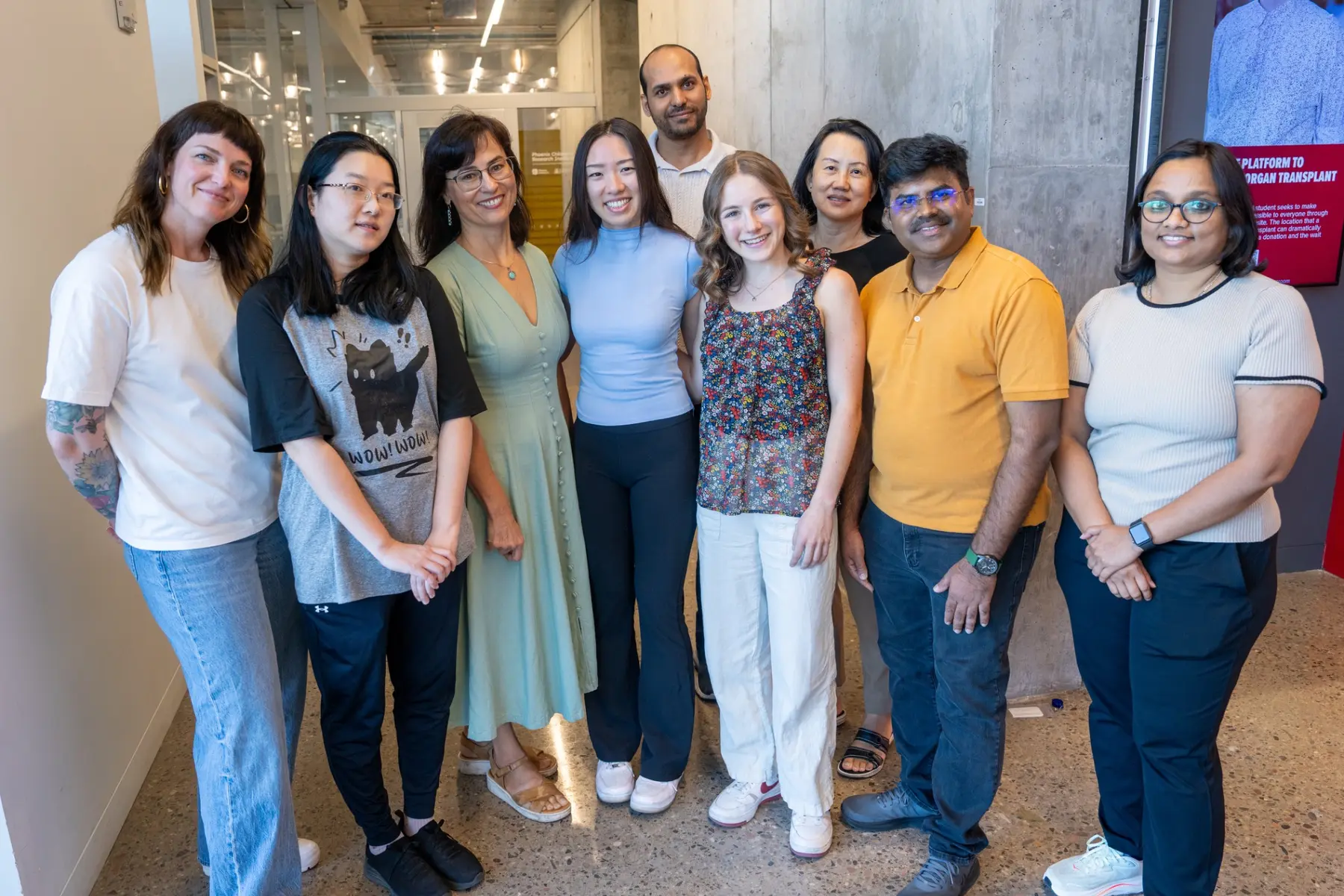
We are researchers, clinicians, trainees, and collaborators united by a practical question: how can a deeper understanding of disease become a better therapy?
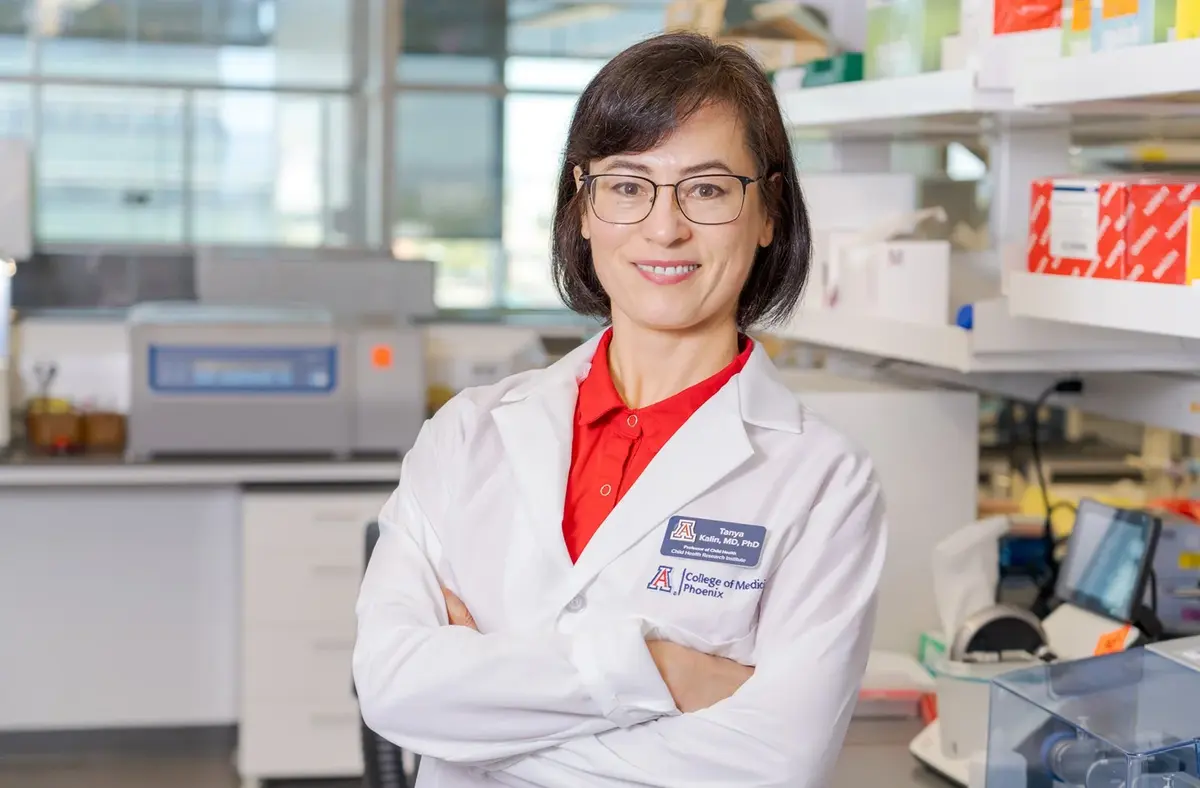 Principal Investigator
Laboratory leadership
Professor of Child Health and Internal Medicine · Vice Chair of Translational Research
Dr. Kalin brings more than two decades of experience developing therapeutic approaches for cancer and chronic lung disease. Her program connects transcriptional and vascular biology with drug discovery, gene delivery, and regenerative medicine.
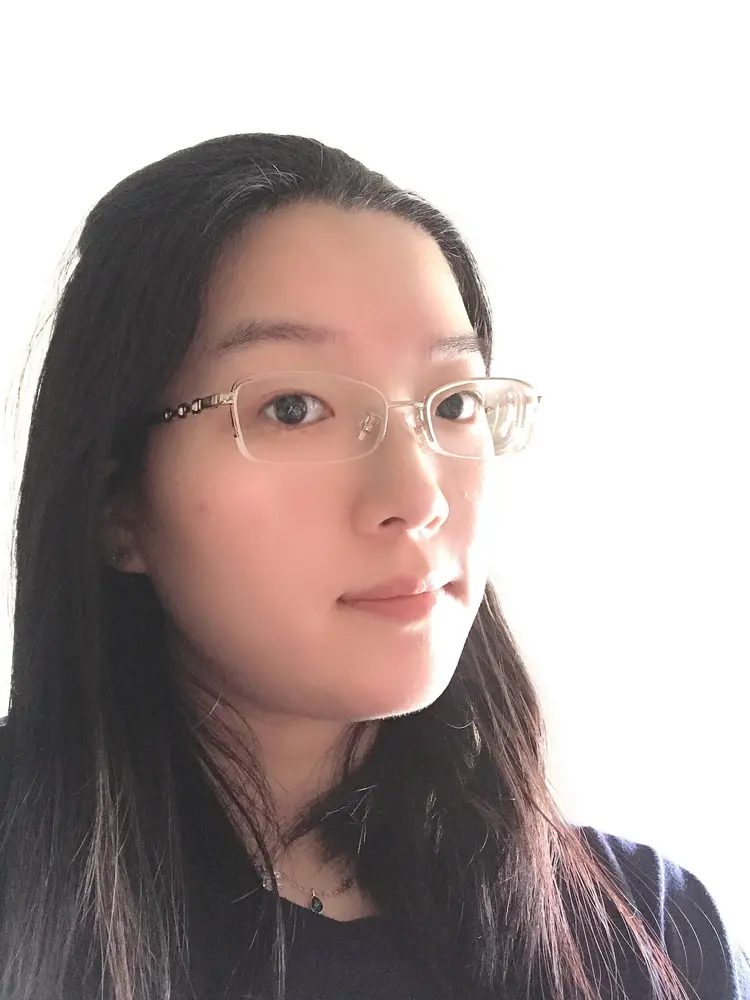 Pericytes · Pulmonary fibrosis
Researcher / Scientist III
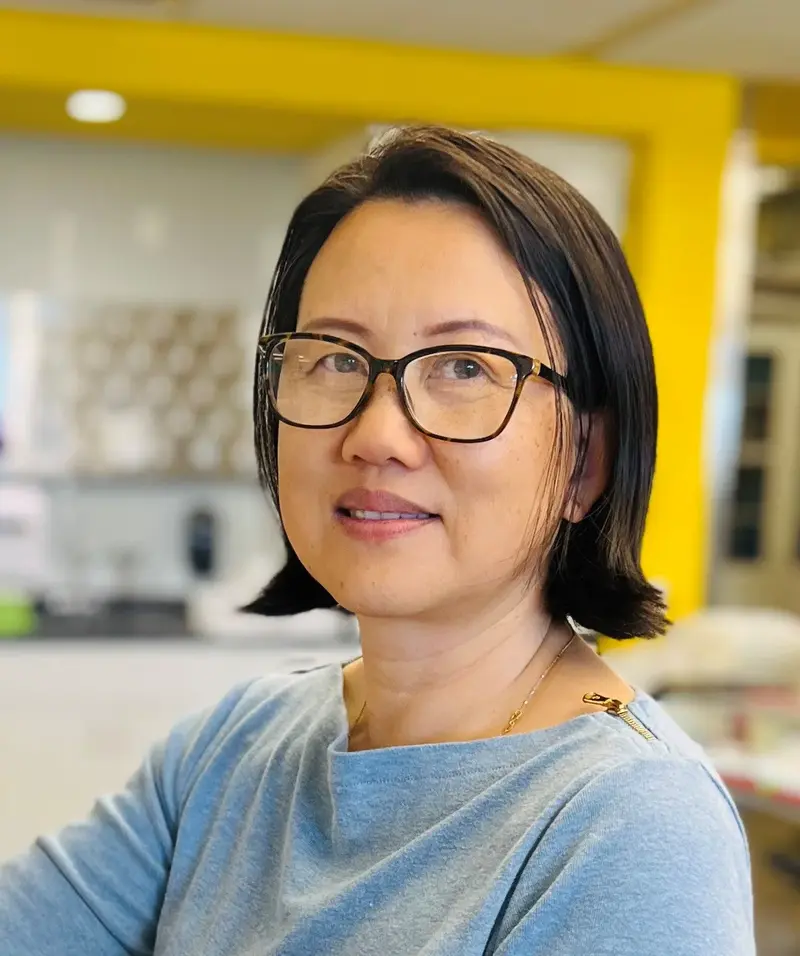 Translational models · Laboratory research
Researcher / Scientist III
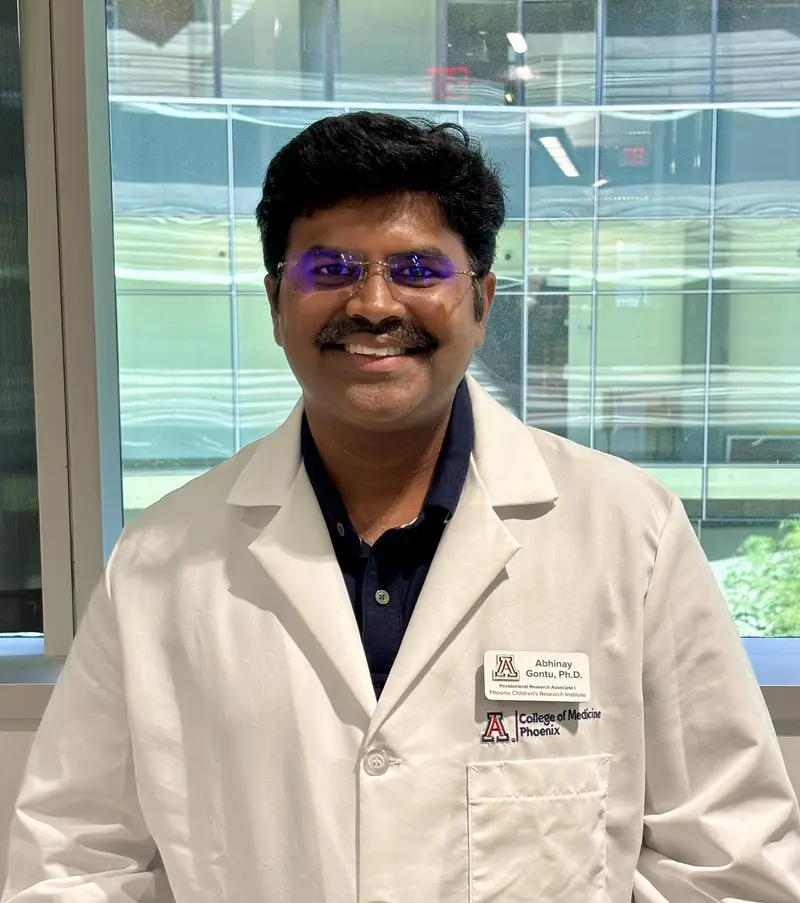 Cancer biology · Lung injury
Postdoctoral Research Associate
Postdoctoral Research Associate
Bioinformatician
Postdoctoral Research Associate
MD/PhD Student
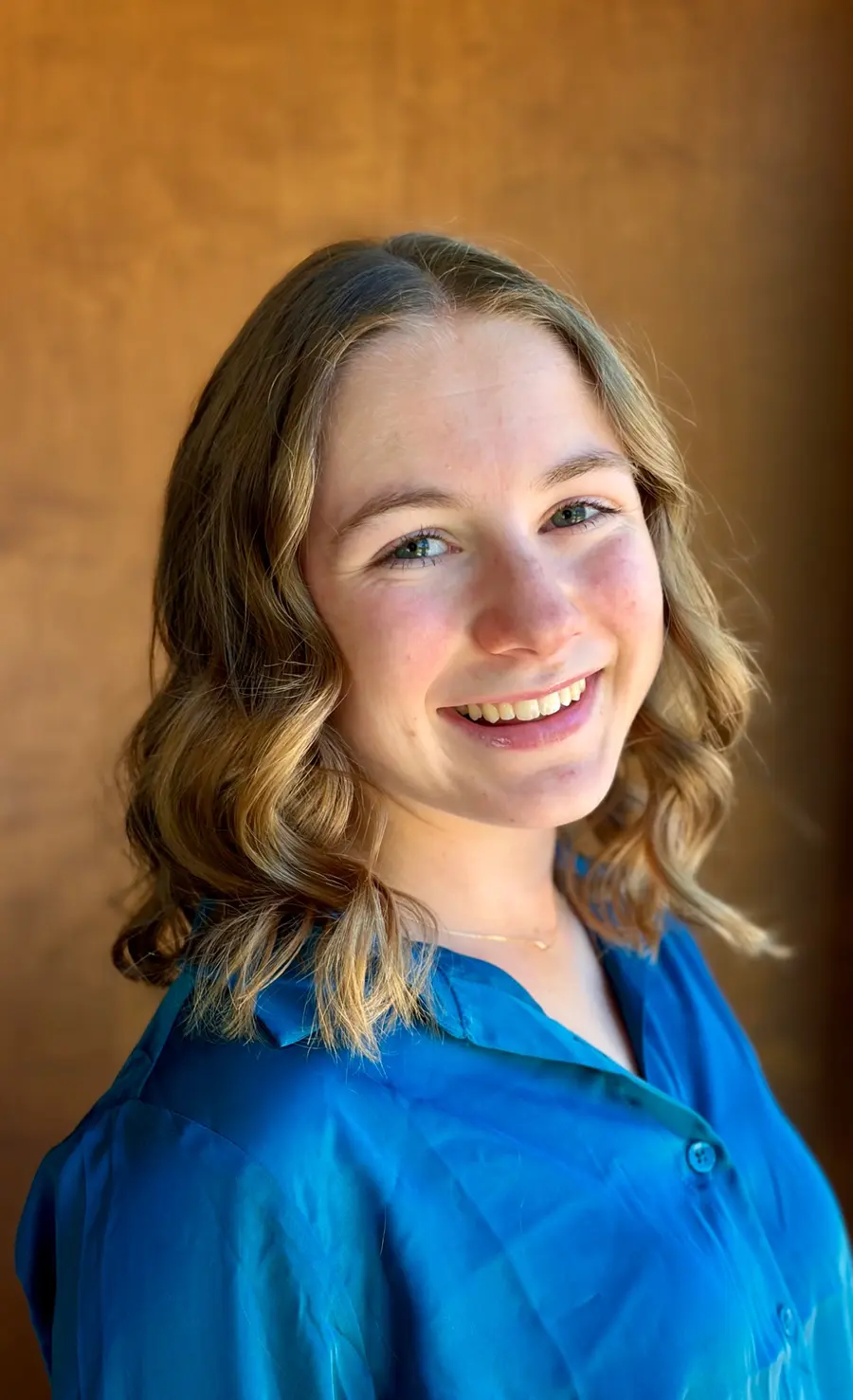 Summer research · Translational science
2026 Summer Flinn Foundation Intern
Life in the lab
Our best work grows through generous mentorship, open questions, and the everyday exchange of ideas at the bench.
Selected publications
11 publications
Fibrosis · Pericytes
Gao W, Lan Y-W, Deng Z, et al.; Kalin TV
Nature CommunicationsCancer · Rhabdomyosarcoma
Merjaneh N, Lan Y-W, Deng Z, et al.; Kalin TV
International Journal of OncologyVascular biology · Lung injury
Sun F, Zhao Y, Do J, et al.; Kalin TV; Kalinichenko VV
Nature CommunicationsCancer · Nanoparticles
Deng Z, Al Siraj A, Lowry I, et al.; Gao W; Kalin TV
BioengineeringGene therapy · Methods
Do J, Verma G, Maurice Y, et al.; Kalin TV; Kalinichenko VV
STAR ProtocolsFOXF1 · Lung development
Wang G, Wen B, Guo M, et al.; Kalin TV; Kalinichenko VV
Nature CommunicationsActive research support
R01 HL177800This NHLBI-supported program advances endothelial FOXF1/R-Ras gene delivery and regenerative cell strategies designed to restore the lung microvasculature and limit fibrosis.
University of Arizona College of Medicine – Phoenix
Read the story ↗Latest paper · June 2026Nature Communications
Read the study ↗New research · March 2026International Journal of Oncology
Read the study ↗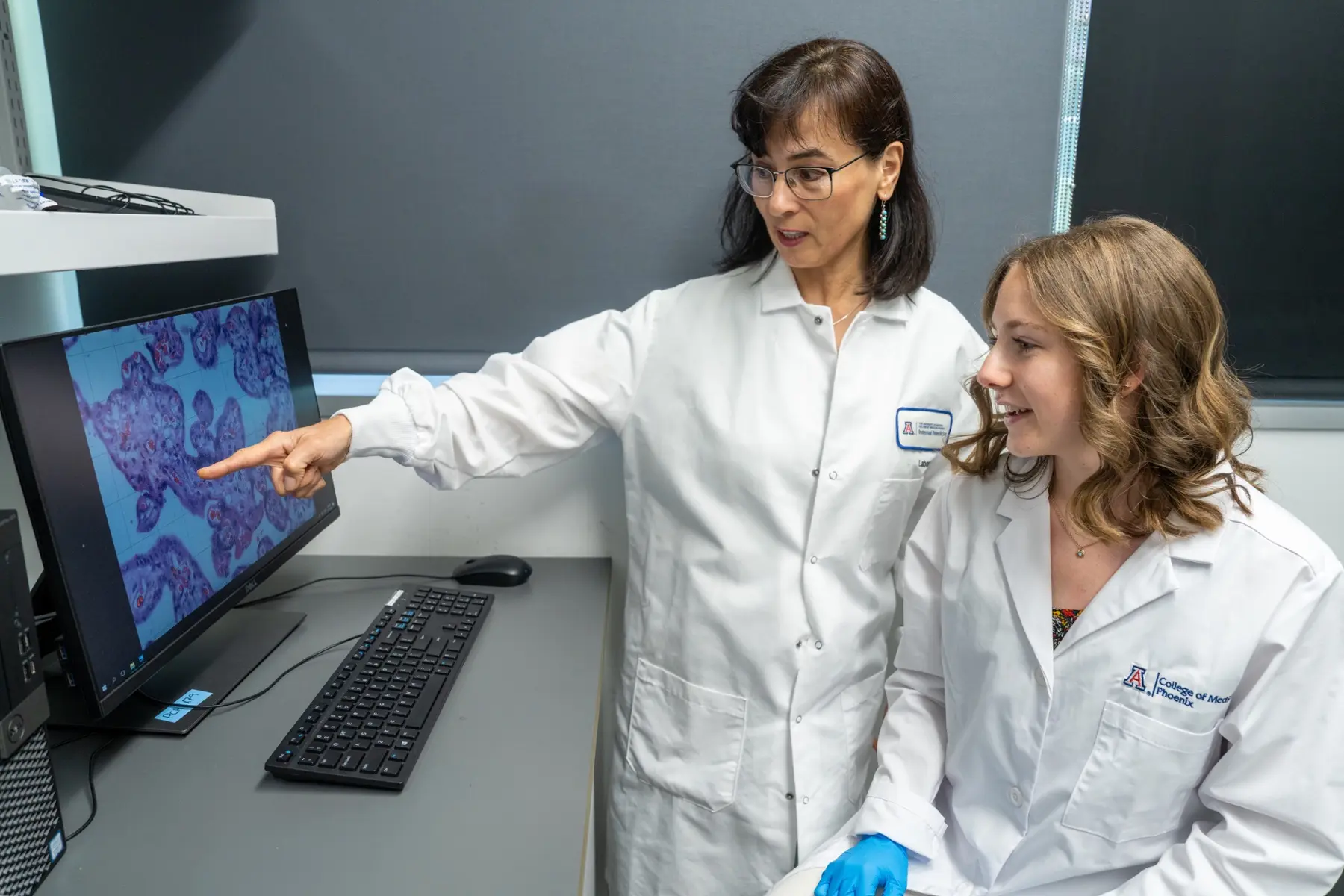
Grow with us
Trainees learn how to move from an observation to a testable idea—and from a careful experiment to a clear scientific story.
See how translational research works day to day.
Plan experiments, controls, and development paths.
Practice grant writing, interpretation, and presentation.
Connect
We welcome scientific collaborations, trainee inquiries, and conversations about translating vascular biology into new therapeutic directions.
Email the lab